Interview with Eivile Cipkute: sustainability calculator for business, artificial intelligence, and digital euro
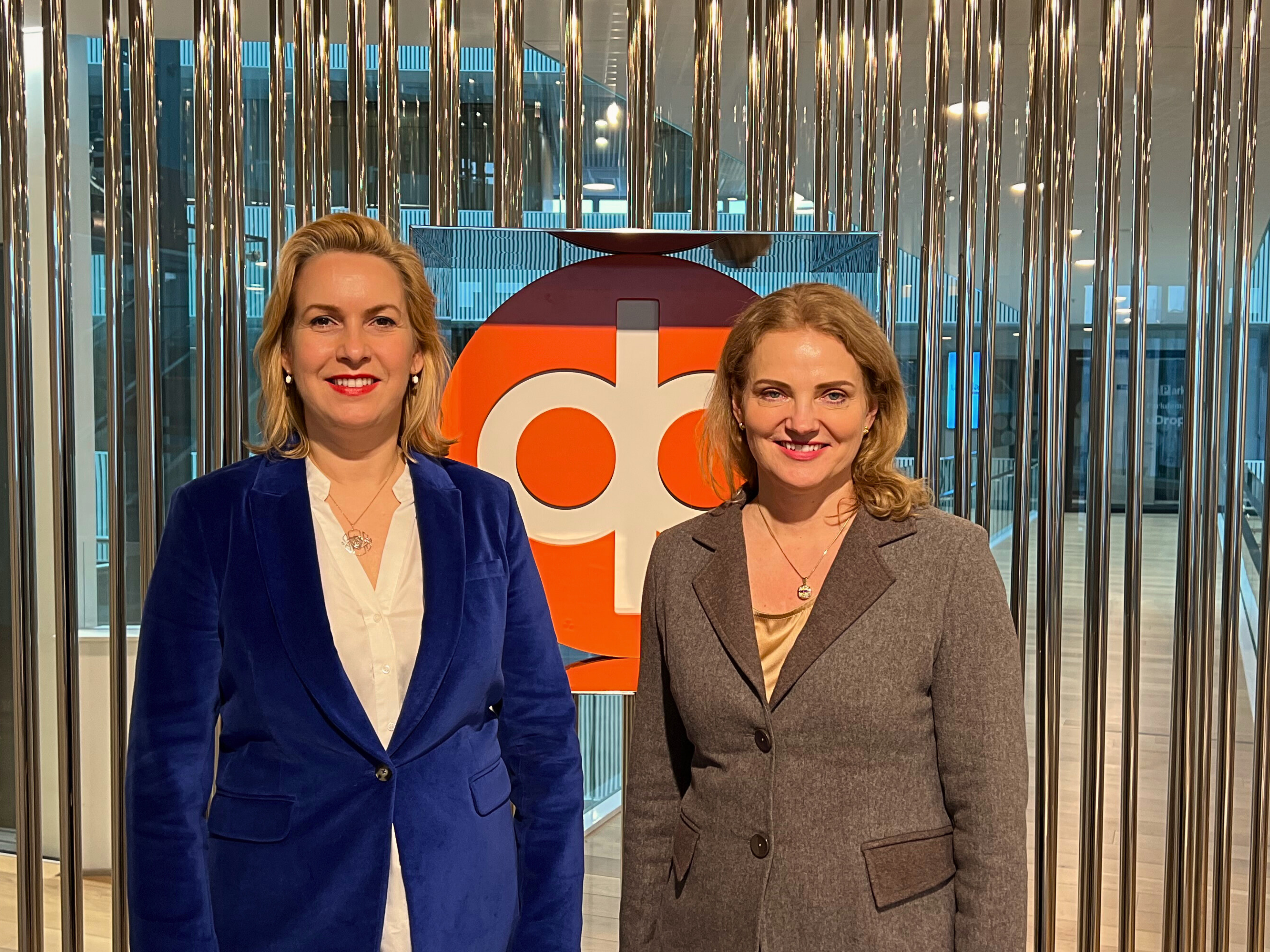
The country's business and finance sectors are facing many changes - soon sustainability reporting will begin, changes regarding instant payments will come into effect, artificial intelligence is increasingly entrenched, and how is the situation with financial literacy changing in the country? We invited Eivile Cipkute, President of the Lithuanian Banking Association, to discuss with our team banking perspectives in Lithuania and Europe. Sharing the highlights of the interview.
What are the main trends in banking sector innovations currently?
Recently, we've all been witnessing the development of artificial intelligence and the impact this technological innovation will bring to the banking market. Your bank is the first in Lithuania to announce the application of generative artificial intelligence in banking operations. It's evident that this is the future of technology, and not leveraging the benefits of artificial intelligence would be akin to abandoning the use of computers in the past.
The banking sector is also actively developing solutions to optimize processes using artificial intelligence. One such solution is using AI to automatically process accounts and generate payments, which financial professionals would only need to approve. This would significantly reduce manual work.
How is the association preparing for changing sustainability and responsible business requirements?
Currently, within the association, we are working extensively on developing an environmental impact calculator. We've decided that it will be a shared tool suitable for all Baltic countries. Anyone interested will be able to download it for free. It's intended for businesses to easily assess the environmental impact of their activities. The calculator can be shared with team members, making it easy to calculate the CO2 footprint according to established requirements.
It's important that these calculations are acceptable for banks when submitting financing applications. We commit to regularly reviewing and updating the calculator based on new information and requirements. Currently, we are finalizing the refinement of emission factors and expect to launch it within the next few months.
The results of banking activities last year were excellent. What influenced this the most?
We've conducted calculations - comparing the results of banking activities with the country's GDP changes. We found that the correlation coefficient is very high, reaching 0.91. This indicates that a significant portion of banking success depends on how the country's economy is performing. It's encouraging that the Lithuanian economy has become more resilient, diversified, and stronger against economic fluctuations in recent years. The market is also supported by the European Union pouring billions into member states' economies, which is currently a significant challenge for governments on how to lend those funds to businesses promptly.
What is the role of financial technology companies in our country's market at present - are we still a fintech hub?
We have many active fintech companies in the market that have obtained operating licenses earlier. Recently, the regulator's approach has changed, influenced greatly by market participants failing to ensure AML standards; one of them recently lost its operating license. It's no longer as easy for new fintech companies to obtain licenses for operations in Lithuania, so the sector is not growing as rapidly as before.
Is the financial literacy of Lithuanian residents sufficient, and what measures do you propose to improve it?
Studies show that the financial literacy situation in Lithuania is not good compared to the EU averages. It's disheartening that it has not been improving for some time, and it's even declining slightly - both among residents and businesses. It's important that financial literacy topics are included in educational programs from primary school. Digital literacy is also related to financial literacy - it's necessary to improve it to enhance financial literacy skills as financial services become digital.
What are the main risks we face due to geopolitical events and international market instability?
One of the biggest risks at the moment, which every business must prepare for, is cyber-attacks. All institutions pay a lot of attention to this at the national level. Efforts are particularly focused on protecting two sectors - finance and energy - to ensure the continuity of other sectors' activities. Ensuring electricity and internet supply is crucial.
What are the current trends in the European banking sector?
The next change will be related to instant payments - everyone will need to do their homework to comply with EU requirements. Although Lithuania is among the leading countries in this regard, instant payments have been in place for some time, we still need to adapt to the changed regulations.
Another major project currently underway in Europe is the digital euro - it's very interesting to see its development, as it's a massive and primarily geopolitical project. So far, it doesn't have much support from users, as they want to maintain their financial privacy, and it's also difficult to understand how these digital euros will differ from the current euros, which are also used digitally. A completely separate infrastructure is being created for digital euros; however, there will be initial restrictions on how many digital euros can be held in the European Central Bank to avoid affecting the liquidity of local financial systems.
How does OP Bank stand out in the Lithuanian banking sector?
The main distinction is that the bank works with a targeted segment of business clients and consistently implements its strategy. Currently, it's the fifth-largest bank in the country in terms of loans and leasing provided. The bank has been organically growing for over 10 years, and it's gratifying to have such a Finnish-style bank in Lithuania.